 Call Us Today: (888) 787-8656


Iron is a mineral your body needs to make hemoglobin, the protein in red blood cells that carries oxygen from your lungs to the rest of your body. Also, your body cannot make iron on its own, so it has to come from the food you eat or from a supplement.
How much iron you take in is a key part of this story. Heme and nonheme iron absorption work in different ways, and knowing the difference can help you get more out of every meal.
Heme Iron vs Non Heme Iron: What Is the Difference?
Iron in food comes in two forms, heme and non-heme. Your body handles each one in its own way.
Heme Iron
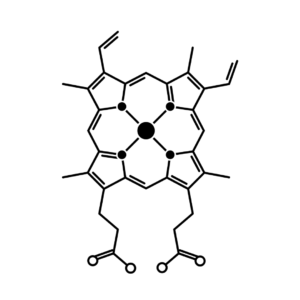
Heme iron comes from animal foods such as red meat, liver, poultry, fish, and shellfish. It is part of hemoglobin and myoglobin, the proteins that carry and store oxygen in your blood and muscle.
Non-Heme Iron
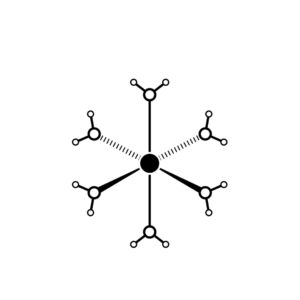
Non-heme iron comes from plant foods such as beans, lentils, tofu, leafy greens, nuts, seeds, and fortified grains. It is also the form added to most supplements and iron-enriched products.
How Heme and Nonheme Iron Absorption Works
Most iron is absorbed in the first two parts of your small intestine. From there, the two forms behave differently.
Heme iron is absorbed more easily. Estimates vary, but roughly 15% to 35% of the heme iron in a meal is taken in. In addition to this, it is also relatively unaffected by the other foods on your plate.
Non-heme iron absorbs less efficiently, typically in the range of 2% to 20%. Your body has to change non-heme iron during digestion before it can take it in. This form is also sensitive to what you eat alongside it, for better or worse.
Your iron stores matter too. A hormone called hepcidin, made in the liver, helps control iron balance. When your iron levels are low, your body absorbs more iron from food. When your stores are adequate, it absorbs less. This applies mainly to non-heme iron. Heme iron absorption depends much less on how much iron you already have.
What Helps Iron Absorption?
Because non-heme iron responds to food pairings, small changes at mealtime can make a real difference.
Foods and Habits That Help
- Vitamin C: Citrus fruits, bell peppers, tomatoes, and strawberries eaten at the same meal can help your body absorb more non-heme iron.
- Meat, Fish, and Poultry: Adding these to a meal can increase the iron you absorb from the plant foods on the same plate. In one study, the increase was two to three fold.
- Cast Iron Cookware: Cooking in iron pots and pans may raise the iron content of your food.
What Can Get in the Way
- Tea, Coffee, and Wine: These contain tannins, plant compounds that can reduce non-heme iron absorption when you drink them with meals.
- Calcium: Dairy foods and calcium supplements can interfere with non-heme iron. A gap of one to two hours is often recommended.
- Phytates: These compounds in whole grains and legumes can block some iron. Soaking or sprouting can help reduce the effect.
Iron Rich Foods to Know
Sources of heme iron include oysters, clams, mussels, beef or chicken liver, beef, poultry, and canned sardines. Sources of non-heme iron include fortified breakfast cereals, beans, lentils, cooked spinach, tofu, nuts, seeds, and potatoes with the skin on.
If you eat no meat, you rely on non-heme iron alone, so you may need more iron rich foods and closer attention to how you pair them. It is possible to get enough iron on a vegetarian or vegan diet with careful planning, and a registered dietitian can help you build it.
Iron in Supplements: Where Heme Iron Fits
When food is not enough, a supplement is another option. Most iron in supplements is the non-heme form, such as ferrous sulfate, ferrous fumarate, or ferrous gluconate. These commonly cause digestive side effects including constipation, nausea, and dark stools. Heme-based iron supplements tend to be gentler on your digestive system and cause fewer side effects.
OptiFer Alpha is a heme iron supplement licensed by Health Canada under NPN 80068954. It helps prevent iron deficiency, helps treat iron deficiency anemia, and helps support healthy red blood cell formation. Because it is absorbed through the heme pathway, you get your iron without giving up your daily tea or coffee.
Always follow the product label, and talk to your healthcare provider before starting any iron supplement.
Conclusion
Heme and nonheme iron absorption differ in ways that affect your everyday meals. Heme iron, from animal foods, is absorbed more easily and is less affected by the rest of your plate. Non-heme iron, from plants and fortified foods, is absorbed less efficiently but responds well to vitamin C and smart meal timing.
If you have ongoing tiredness or concerns about your iron levels, ask your healthcare provider about a blood test. They can help you find the right approach for your individual health needs.
References
NCBI Bookshelf: Dietary Iron
Mito Health: Heme & Non-Heme Iron: How to Eat for Low Iron Levels
Canadian Digestive Health Foundation: Iron Absorption: Understanding Factors That Enhance or Inhibit Uptake
Hemochromatosis Help: Heme Iron vs. Non-Heme Iron in Food
Harvard T.H. Chan School of Public Health: Iron

