 Call Us Today: (888) 787-8656


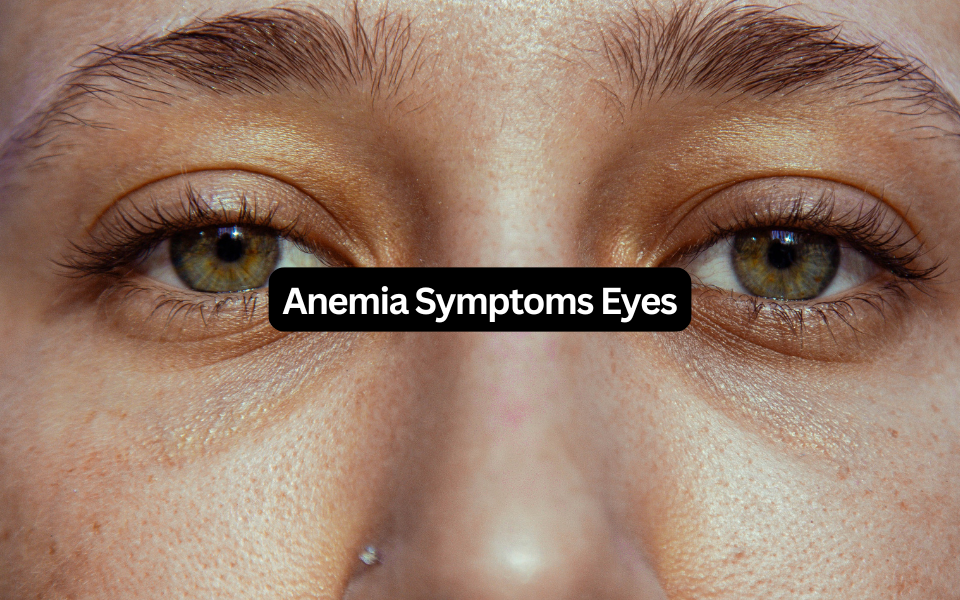
Your eyes can tell you more about your health than you might expect. When your body runs low on iron, some of the effects show up in and around your eyes. Knowing what to look for can help you catch a problem early and understand when it is time to see your healthcare provider.
Learn how anemia and your eyes are connected, which signs are worth watching for, and what you can do to support healthy iron levels.
What Is Anemia and How Does It Affect the Eyes?
Anemia happens when your body does not have enough healthy red blood cells. These cells carry oxygen from your lungs out to the rest of your body. When their numbers fall, less oxygen reaches your tissues, and that includes your eyes.
Iron deficiency is the most common cause of anemia. Your body needs iron to make hemoglobin, the protein inside red blood cells that carries oxygen. Without enough iron, oxygen delivery becomes less efficient.
Your eyes use a large amount of oxygen, so they can be one of the first places to show subtle changes when your iron runs low.
Common Anemia Symptoms in the Eyes
Many people with mild anemia notice no changes in their eyes at all. Signs are more likely to appear as anemia becomes more advanced. Even so, a few visible clues are worth knowing about.
Pale inner eyelids: One of the classic early signs of low iron is pale inner eyelids. In healthy people, the inside of the lower eyelid looks pink or red. When iron is low, it can look pale or almost white because there are fewer red blood cells to give it colour.
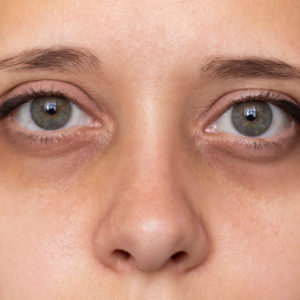
Dark circles and tired-looking eyes: Reduced oxygen can affect your circulation and skin tone. This can leave your eyes looking dull, heavy, or shadowed. Some people also notice puffiness or dark circles underneath.
Changes to the whites of the eyes: In some cases of iron deficiency anemia, the white part of the eye (the sclera) can take on a bluish tint. Other types of anemia can bring on a yellowish colour instead.
Can Low Iron Affect Your Eyesight?
This is a common question. In more advanced anemia, the retina, which is the light-sensitive tissue at the back of your eye, may receive less oxygen than it needs. That can lead to temporary blurred or dim vision and sensitivity to light.
These changes usually improve once your iron levels are back to normal, but they should always be checked to rule out other eye conditions.
Low iron may also reduce the stability of your tear film, which can leave your eyes dry and irritated. Tired eye muscles sometimes cause minor twitching, particularly when it comes alongside poor sleep or stress. There is no clear evidence that low iron directly causes blurred vision.
It appears to affect your eyes mainly through reduced oxygen supply and changes in the retina.
Does Low Iron Cause Headaches?
Headaches are another common question. When your brain receives less oxygen, iron deficiency can lead to headaches and, in some cases, migraines. This happens most often in menstruating women.
Frequent or recurring headaches, along with eye symptoms, can be a good reason to have your iron levels checked.
Managing Iron Levels to Support Eye Health
The good news is that iron-related eye symptoms often ease once the underlying anemia is addressed. Eating iron-rich foods can help. Good sources include lean red meat, poultry, fish, leafy greens, legumes, and iron-fortified cereals.
Some people also benefit from an iron supplement. OptiFer Alpha is a heme iron supplement that helps prevent iron deficiency, helps treat iron deficiency anemia, and helps support healthy red blood cell formation. As a heme iron supplement, it is absorbed through a dedicated pathway, which tends to be gentler on the stomach than traditional iron salts.
Always follow the directions on the product label, and talk to your healthcare provider before starting any supplement, especially during pregnancy.
When to See a Professional About Anemia Symptoms in the Eyes
Anemia symptoms in the eyes are usually subtle, but they can be an early clue that something in your body needs attention. Pale inner eyelids, tired or shadowed eyes, and changes in the whites of your eyes are all worth noticing. If you have ongoing blurred vision, eye pain, swelling around the eyes, or dryness that does not improve, it is recommended that you book an appointment with a healthcare professional. A simple blood test can check your iron levels, and an eye exam can help keep your vision healthy.
References
Eye Physicians & Surgeons: February Newsletter: How Certain Types of Anemia Affect Your Eyes
All About Vision: Anemia and Eyes: How Different Types of Anemia Affect Your Vision
EuroEyes: Iron Deficiency and Your Eyes
Medical News Today: Does Anemia Affect the Eyes?
Total Vision: Can Low Iron Cause Headaches and Blurred Vision?

