 Call Us Today: (888) 787-8656


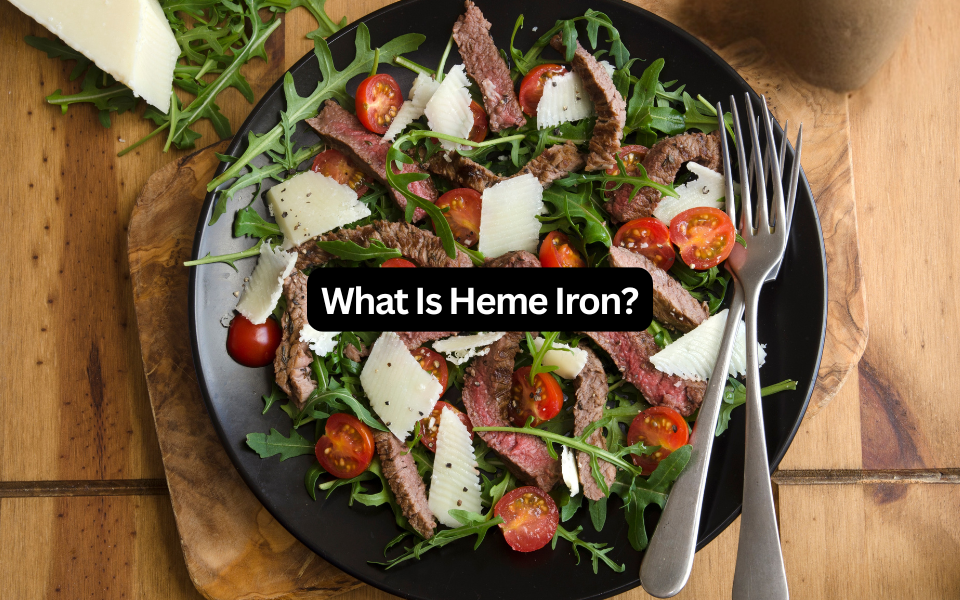
If you have ever been told your iron levels are low, you may have come across the term “heme iron.” It sounds technical, but the idea behind it is simple. Heme iron is the form of iron your body absorbs most easily, and it is found in a specific set of foods. Knowing the difference between heme and non-heme iron can help you make smarter food choices and have better conversations with your healthcare provider.
Heme iron is the type of iron found in animal-based foods such as meat, poultry, and seafood. Inside these foods, iron is held within two proteins called hemoglobin and myoglobin. Hemoglobin carries oxygen in your blood. Myoglobin stores oxygen in your muscle. The iron sits inside a ring-shaped molecule called heme, which protects it and helps your gut absorb it.
This protective ring is important. Since heme iron stays packaged in this protective ring when it reaches your small intestine, your body can absorb it through a dedicated pathway. This is one reason it is considered the most bioavailable form of dietary iron. Bioavailability determines means how much of a nutrient your body can actually use after you consume it.
Heme Iron vs Non-Heme Iron: What’s the Difference?
There are two main forms of iron in food: heme and non-heme. Heme iron comes from animal sources. Non-heme iron comes from plant foods like beans, lentils, spinach, nuts, and whole grains, and is also added to many fortified cereals and breads.
The difference between these types of iron matters because the two are absorbed differently.
How your body absorbs each type
Your body absorbs approximately 25 to 30 percent of the heme iron you eat. However, only about 3 to 5 percent of non-heme iron is absorbed. Non-heme iron is also more sensitive to other foods. Coffee, tea, calcium, and certain plant compounds can reduce how much your body takes in. Vitamin C, on the other hand, helps boost non-heme iron absorption when eaten in the same meal.
Heme iron is largely unaffected by these dietary factors, which is why it provides a more reliable iron source meal after meal.
Iron-Rich Foods That Contain Heme Iron
If you are looking for iron-rich foods that deliver well-absorbed iron, animal proteins are some of the most common sources. Foods high in iron from heme sources include red meat, organ meats, poultry, and seafood. Among these, certain shellfish and organ meats stand out as the richest sources of iron in food.
Top animal sources
- Oysters, clams, and mussels
- Liver
- Lean red meat
- Canned sardines and other oily fish
- Poultry
Why Heme Iron Matters for Your Health
Iron is essential for good health. It helps your red blood cells carry oxygen from your lungs to every part of your body, and it supports brain development, immune function, and energy. When iron runs low, you may feel tired, weak, lightheaded, or short of breath.
Over time, low iron can lead to iron-deficiency anemia, the most common nutritional deficiency worldwide.
Some people are more likely to need extra iron than others. This includes women with heavy menstrual periods, pregnant and breastfeeding women, growing children and teens, endurance athletes, and people on a mostly plant-based diet. Because heme iron is absorbed so efficiently, it can be especially helpful for these groups in meeting their daily iron needs through food.
Should You Consider Supplements?
If diet alone is not enough, your healthcare provider may suggest an iron supplement. Traditional supplements made from iron salts can cause stomach upset, nausea, or constipation, which leads many people to stop taking them. Heme iron supplements use the same dedicated absorption pathway, so they are better tolerated at lower doses.
OptiFer Alpha is a heme iron supplement designed to raise your iron levels with minimal side effects. As a iron supplement, it offers several advantages over conventional options:
- High absorption: OptiFer Alpha is formulated for optimal iron uptake with fewer ingredients, so your body gets the iron it needs and you don’t have to give up your daily tea or coffee.
- Gentle on the stomach: Since OptiFer Alpha is absorbed through a dedicated heme pathway, it causes far less abdominal discomfort, with little of the bloating or cramping linked to traditional iron supplements.
- Convenient packaging: OptiFer Alpha comes in airtight blister packs that keep each dose protected and easy to take on the go, so you never have to miss your daily iron.
As with any supplement, talk to your doctor, pharmacist, or healthcare provider before you start, so you can be sure the dose and form are right for your individual health needs.
Conclusion
Heme iron is a well-absorbed form of iron found in animal foods, and it plays an important role in helping your body maintain healthy iron levels. Iron deficiency is one of the most common nutritional deficiencies in the world. Adding more iron-rich foods to your diet is one of the first steps in correcting an iron deficiency. When food alone isn’t enough, a heme iron supplement like OptiFer Alpha delivers high absorption and minimal side effects in a convenient daily dose. If you are concerned about your iron levels or feel persistently tired, speak with a healthcare professional for personalized guidance and testing.
References
American Red Cross: Iron-Rich Foods
The Nutrition Source: Iron
PubMed Central: Dietary Heme Iron: A Review of Efficacy, Safety and Tolerability
Wikipedia: Heme
HealthLink BC: Iron in Foods

